
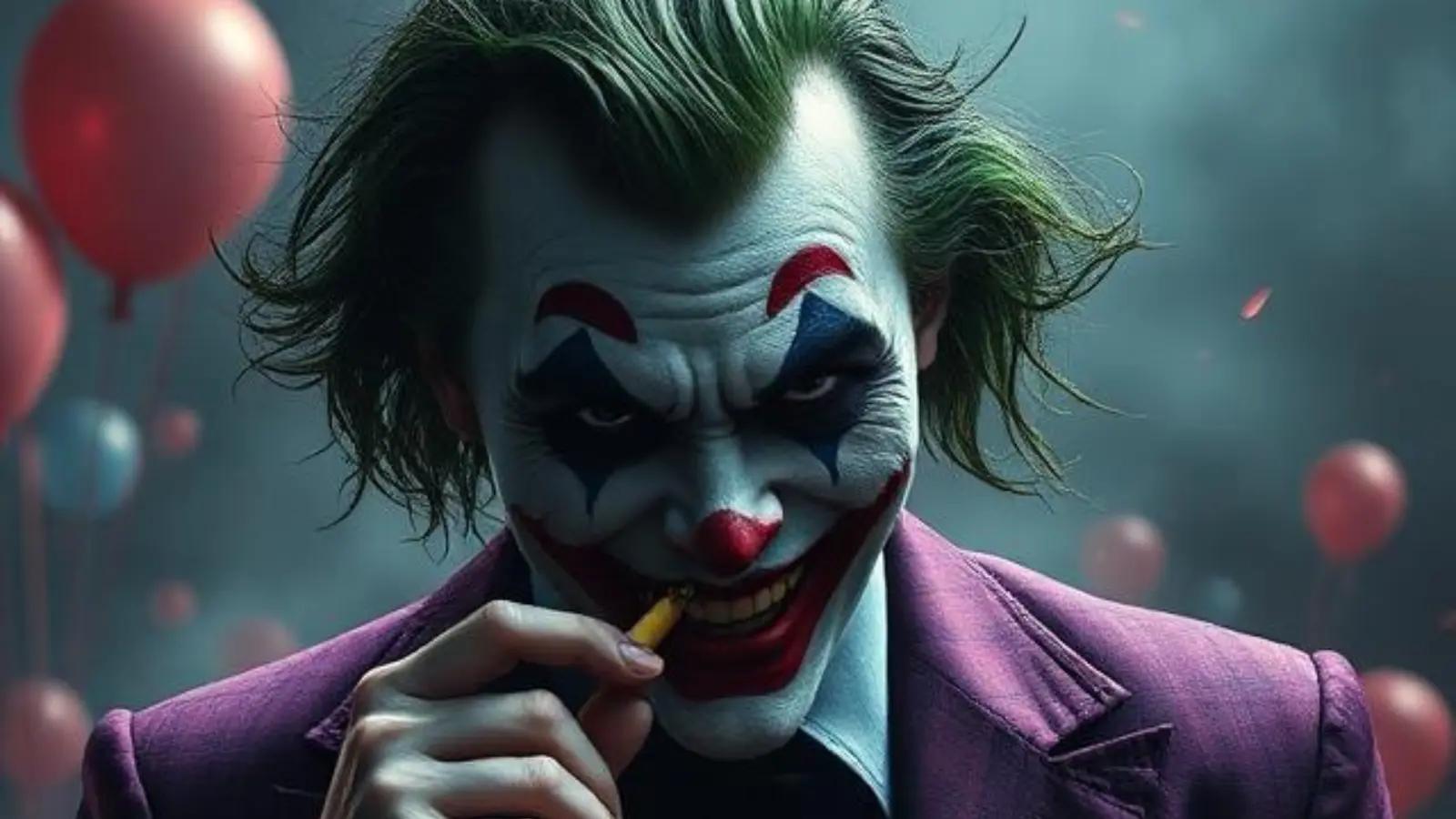
There’s something strangely hypnotic about chaos when it wears a smile.
You’ve seen it before — the smeared lipstick, the unsettling laugh, the sharp intelligence hiding behind madness.
And then there’s the idea of a joker killer — the one force powerful enough to challenge, stop, or outthink the Clown Prince of Crime. That phrase alone sparks curiosity. Is it a character? A symbol? A storyline? A psychological archetype?
Why does the world keep searching for the “joker killer”?
Because this isn’t just about a comic book rivalry. It’s about justice vs. chaos. Control vs. anarchy. Trauma vs. trauma.
And deep down, it’s about us — our fear of losing control and our secret craving for someone strong enough to stop the madness.
In this deep dive, we’ll unpack the psychology, cultural power, symbolism, fan theories, and emotional layers behind the concept of a joker killer — in ways you probably haven’t explored before.
joker killer and the Psychology of Stopping Chaos
-
🧠 The Joker, famously portrayed by Joker, represents pure chaos — so the idea of a joker killer symbolizes psychological order fighting back.
-
⚖️ Humans crave balance; when chaos dominates, our minds imagine a counter-force strong enough to restore control.
-
💔 Trauma psychology shows that villains like Joker often reflect untreated pain — making the “killer” a metaphor for confronting trauma.
-
🔥 The joker killer archetype reflects our internal battle between impulse and restraint.
-
🎭 Shadow theory (Carl Jung) suggests we project our dark desires onto characters like Joker — and our moral side onto the one who stops him.
-
💡 The concept satisfies moral closure, especially when justice systems fail in fiction.
-
🧩 Audiences feel relief imagining someone immune to manipulation finally defeating chaos.
-
🕶️ The joker killer often embodies emotional resilience rather than brute strength.
-
❤️ It taps into our need for protection in unstable environments.
-
🎬 Storytelling psychology proves that strong antagonists demand equally powerful challengers.
-
🌪️ Chaos fatigue is real — viewers want catharsis after prolonged villain dominance.
-
🛡️ The “killer” can symbolize boundaries — something Joker never respects.
-
🔍 It explores the moral dilemma: can you destroy evil without becoming it?
-
🌙 Ultimately, the joker killer idea satisfies a deep subconscious longing for peace.
joker killer in Comic Book Canon and Alternate Timelines
-
📚 In some alternate storylines within Batman lore, Joker meets different fates depending on narrative tone.
-
🩸 In darker arcs, characters like Red Hood openly challenge Batman’s refusal to kill Joker.
-
⚔️ The tension between hero ethics and lethal justice fuels joker killer debates.
-
🌌 Multiverse storytelling allows alternate realities where Joker dies.
-
🕵️ Some versions imply that only someone who understands Joker psychologically could end him.
-
🧨 Writers use the “what if Joker dies?” angle to test moral boundaries.
-
🎨 Graphic novels often explore grittier outcomes than mainstream continuity.
-
📖 Fans obsess over non-canon endings where chaos is permanently silenced.
-
💬 Joker’s survival often exists because he drives narrative tension.
-
🧠 Killing Joker risks ending the philosophical battle he represents.
-
🗡️ Anti-heroes tend to be prime joker killer candidates.
-
🕰️ Time-travel arcs sometimes rewrite his fate.
-
📉 Removing Joker shifts Gotham’s power balance dramatically.
-
🌑 Canon protects him — but imagination doesn’t.
joker killer as a Symbol of Moral Conflict
-
⚖️ The joker killer concept challenges black-and-white morality.
-
🧠 It forces audiences to question: is killing evil ever justified?
-
💭 Philosophically, it reflects utilitarian vs. deontological ethics.
-
🔄 It mirrors society’s debate over capital punishment.
-
🛑 Batman’s refusal to kill Joker keeps the tension alive.
-
💣 The killer figure represents breaking moral codes for “greater good.”
-
😈 It tests whether heroism survives without restraint.
-
💡 Moral complexity makes stories richer and more engaging.
-
🔥 Rage-driven justice often leads to corruption.
-
🌪️ Chaos creates heroes; eliminating it creates a vacuum.
-
🪞 The joker killer may become what he hates.
-
🕊️ Mercy vs. vengeance is the real battlefield.
-
🎭 The audience becomes judge and jury emotionally.
-
💬 It sparks endless debate in fan communities.
joker killer and the Cultural Obsession With Anti-Heroes
-
🎬 Modern audiences adore morally gray characters.
-
🔪 The joker killer often fits the anti-hero mold.
-
💥 Brutal honesty appeals more than polished heroism.
-
🧨 Shows and films increasingly blur hero-villain lines.
-
🧠 Psychological depth makes anti-heroes relatable.
-
💋 There’s a rebellious allure in breaking rules.
-
🖤 The killer archetype satisfies suppressed rage fantasies.
-
🌎 Society’s distrust in institutions fuels anti-hero love.
-
🧩 Complex characters create stronger emotional bonds.
-
🔥 Viewers crave authenticity over perfection.
-
🎭 Joker himself is a chaotic anti-hero in some portrayals.
-
💡 A joker killer might mirror his unpredictability.
-
⚔️ Conflict becomes more personal than ideological.
-
🌑 Darkness, when humanized, becomes magnetic.
joker killer Through the Lens of Gotham’s Power Dynamics
-
🌆 Gotham thrives on instability.
-
🦇 Removing Joker alters Harley Quinn’s trajectory entirely.
-
🕵️ Crime lords would scramble for dominance.
-
💣 Joker’s unpredictability destabilizes organized crime.
-
⚖️ A joker killer shifts fear hierarchies.
-
🧠 Criminal psychology in Gotham revolves around spectacle.
-
🕶️ Joker’s absence may create more calculated villains.
-
🔥 Chaos invites chaos — but silence invites strategy.
-
💔 Gotham citizens psychologically depend on heroes confronting visible threats.
-
🌑 Power vacuums breed new monsters.
-
🧩 The killer becomes a symbol of control.
-
🎭 Media narratives inside Gotham would explode.
-
🛡️ Batman’s identity crisis would intensify.
-
🌪️ Stability might be more terrifying than chaos.
joker killer and Emotional Catharsis for Fans
-
💥 Watching Joker win repeatedly creates emotional tension.
-
😌 A joker killer storyline delivers release.
-
🧠 Catharsis helps audiences process frustration safely.
-
💔 It satisfies revenge fantasies without real-world harm.
-
🎬 Climactic justice scenes boost dopamine.
-
🔥 Emotional payoff strengthens storytelling loyalty.
-
🕊️ Closure reduces narrative anxiety.
-
💬 Fan debates create community bonding.
-
🖤 Dark themes allow safe exploration of fear.
-
🌙 Nighttime villains heighten emotional intensity.
-
🎭 Drama needs balance between chaos and control.
-
🧩 Emotional complexity increases replay value.
-
❤️ Relief often feels sweeter after long tension.
-
🌟 A well-written joker killer arc becomes iconic.
joker killer in Film Interpretations and Performance Power
-
🎥 The Dark Knight elevated Joker’s cultural status.
-
🧠 Heath Ledger’s portrayal made defeating him feel nearly impossible.
-
🎭 Joaquin Phoenix’s version humanized the chaos.
-
💡 Film adaptations deepen psychological stakes.
-
🔥 Killing such a layered villain requires equal narrative weight.
-
🎬 Cinema amplifies moral dilemmas visually.
-
🕶️ Audiences emotionally attach to powerful performances.
-
🧩 A joker killer in film must feel earned.
-
💣 Shock value alone would fail.
-
❤️ Emotional authenticity defines success.
-
⚖️ Screenwriting must justify irreversible acts.
-
🌑 Tone determines whether death feels tragic or triumphant.
-
🎥 Visual symbolism intensifies meaning.
-
🌟 Performances shape legacy.
joker killer and the Philosophy of Justice vs. Vengeance
-
⚖️ Justice seeks fairness; vengeance seeks pain.
-
🧠 The joker killer concept sits between the two.
-
🔥 Emotional trauma often fuels vengeance narratives.
-
🕊️ Justice requires restraint.
-
💔 Vengeance rarely ends cycles of violence.
-
🧩 Joker thrives on emotional reactions.
-
🎭 A calm killer challenges his psychological games.
-
💡 True justice may mean refusing to play.
-
🛑 Killing Joker might validate his worldview.
-
🌪️ Philosophical tension keeps stories alive.
-
🖤 Ethical storytelling builds credibility.
-
💬 Fans project personal values into the debate.
-
🧠 Self-control becomes heroic.
-
🌟 Sometimes mercy is stronger than murder.
joker killer as a Mirror of Society’s Dark Fascinations
-
📰 Media sensationalizes charismatic criminals.
-
🧠 We’re wired to study threats closely.
-
🔍 Joker reflects societal instability fears.
-
💣 The killer fantasy reflects desire for swift justice.
-
🎭 Villains allow safe exploration of taboo impulses.
-
🌎 Cultural unrest increases anti-hero popularity.
-
🖤 Darkness sells because it feels real.
-
💭 Fiction mirrors political frustration subtly.
-
🛑 Chaos narratives resonate during uncertain times.
-
💡 Strong opposition figures feel reassuring.
-
🔥 Emotional intensity boosts engagement metrics.
-
🧩 Storylines adapt to audience psychology.
-
❤️ Curiosity doesn’t equal endorsement.
-
🌙 We confront fear through narrative.
joker killer and Fan Theories That Refuse to Die
-
💬 Some fans believe Batman secretly wants Joker gone.
-
🕵️ Others argue Red Hood is destined to do it.
-
🌌 Multiverse deaths spark endless speculation.
-
🔥 Hidden symbolism fuels online forums.
-
🧠 Psychological profiling threads go viral.
-
🎭 Alternate endings inspire fan fiction.
-
💣 “One bad day” debates resurface constantly.
-
🖤 Redemption vs. execution divides communities.
-
💡 Writers subtly tease possibilities.
-
🛑 Ambiguity keeps fandom alive.
-
🌟 Viral theory videos amplify reach.
-
🧩 Collective imagination builds myth.
-
❤️ Passion sustains legacy.
-
🌑 Mystery keeps Joker immortal.
joker killer and the Ethics of Permanent Consequences
-
⚖️ Death in comics is rarely permanent.
-
🧠 Permanence shifts storytelling stakes dramatically.
-
💥 Killing Joker ends cyclical narratives.
-
🔥 Writers fear closing profitable arcs.
-
💭 Ethical storytelling demands weighty outcomes.
-
🖤 Resurrection tropes dilute impact.
-
🎭 Consequences build realism.
-
🛑 Finality changes character psychology.
-
💡 Batman without Joker feels unbalanced.
-
🌪️ Villain permanence redefines franchise tone.
-
🧩 Risk increases audience respect.
-
❤️ Emotional fallout deepens character arcs.
-
🎬 Cinematic universes avoid irreversible shifts.
-
🌟 Legacy villains are hard to bury.
joker killer and the Archetype of the Ultimate Rival
-
⚔️ Great heroes need equally powerful rivals.
-
🧠 Joker defines Batman’s limits.
-
💥 A killer rival must challenge intellect, not just strength.
-
🖤 Rivalries create identity.
-
🎭 Conflict sharpens moral codes.
-
💡 The killer archetype may represent evolution.
-
🔥 Personal stakes intensify narrative.
-
🧩 Without Joker, Batman redefines purpose.
-
🌙 Rivalry drives growth.
-
❤️ Emotional obsession fuels tension.
-
🛑 Eliminating a rival risks existential crisis.
-
💬 Audiences crave intense duels.
-
🌟 Legendary conflicts outlive characters.
-
⚖️ Balance sustains myth.
joker killer in Modern Storytelling and SEO Culture
-
🔍 Search trends show fascination with darker themes.
-
🧠 Algorithmic content amplifies emotional intensity.
-
💥 Bold keywords attract curiosity clicks.
-
❤️ Emojis in search queries reflect emotional intent.
-
🖤 Pop culture analysis ranks highly in engagement metrics.
-
🎬 Villain deep-dives dominate YouTube and blogs.
-
🧩 Semantic SEO connects psychology, comics, and film.
-
🔥 Long-form authority content builds trust.
-
💡 Audience retention improves with storytelling hooks.
-
🛑 Overused tropes reduce originality.
-
🌟 Unique framing boosts ranking potential.
-
💬 Conversational tone improves dwell time.
-
🌙 Emotional language enhances relatability.
-
⚖️ Balanced analysis satisfies algorithm and human.
joker killer – Why the Myth Will Never Truly End
-
🌑 Joker symbolizes eternal chaos.
-
❤️ Humans eternally seek order.
-
🧠 The battle is psychological, not physical.
-
🔥 Every generation reimagines villains.
-
🎭 Myth evolves with culture.
-
🖤 Darkness fascinates us.
-
💡 Closure competes with curiosity.
-
⚖️ Moral tension fuels timeless stories.
-
🧩 Killing Joker ends one story but begins another.
-
🌪️ Chaos always finds new faces.
-
💬 Debate sustains legacy.
-
🌟 Fandom keeps myths alive.
-
🛑 Final answers rarely satisfy.
-
❤️ The joker killer lives strongest in imagination.
Frequently Asked Questions About joker killer
1. What does the term “joker killer” actually mean?
The phrase typically refers to a character, theory, or symbolic force capable of permanently stopping the Joker. It can represent physical death, psychological defeat, or moral victory. In many interpretations, it’s less about literal killing and more about confronting chaos with strength, boundaries, and emotional resilience.
2. Has Joker ever been killed in official DC storylines?
In certain alternate timelines and non-canon arcs, yes. However, in main continuity, the Joker often survives due to his importance to the narrative ecosystem. His survival preserves the philosophical conflict central to Batman’s moral code.
3. Why doesn’t Batman kill the Joker?
Batman refuses to kill because crossing that line would betray his ethical code. He believes killing Joker would make him no different from the criminals he fights. This moral boundary defines his identity and fuels ongoing tension.
4. Could Red Hood become the real joker killer?
Red Hood is often portrayed as willing to kill criminals. His trauma-driven perspective makes him a strong candidate in fan theories. However, making him the permanent joker killer would drastically reshape Gotham’s moral structure.
5. Is the joker killer concept about revenge or justice?
It depends on interpretation. Some see it as vengeance fueled by rage. Others see it as ultimate justice after repeated atrocities. The tension between these interpretations drives debate.
6. Why are audiences obsessed with defeating Joker?
Joker represents unpredictable chaos. Humans naturally seek stability and closure. Watching someone challenge him satisfies deep emotional needs for order and fairness.
7. Would killing Joker ruin the story?
Possibly. Joker’s presence creates narrative tension. Removing him could diminish philosophical depth unless replaced by equally complex storytelling.
8. Is the joker killer idea symbolic?
Yes. It often symbolizes confronting inner demons, trauma, and chaos within ourselves. The battle is psychological as much as physical.
9. How does film portrayal affect joker killer theories?
Powerful performances in films elevate Joker’s cultural status. Killing such an iconic version would require emotionally weighty storytelling to feel earned and meaningful.
10. Will Joker ever permanently die in mainstream canon?
Unlikely. As one of DC’s most iconic villains, Joker’s narrative value is immense. Permanent removal would risk destabilizing a foundational rivalry.
Final Thoughts on joker killer
The truth is, the joker killer isn’t just a person. It’s an idea. A fantasy of balance. A whisper in the dark that says chaos doesn’t get the final laugh.
Maybe the real victory isn’t about ending the Joker. Maybe it’s about refusing to let chaos define us.
And isn’t that a little powerful?

Jason Miller is a passionate content writer at JoksFlow, creating funny jokes, viral captions, entertaining content, and engaging articles that keep readers smiling and coming back for more.